Health Awareness

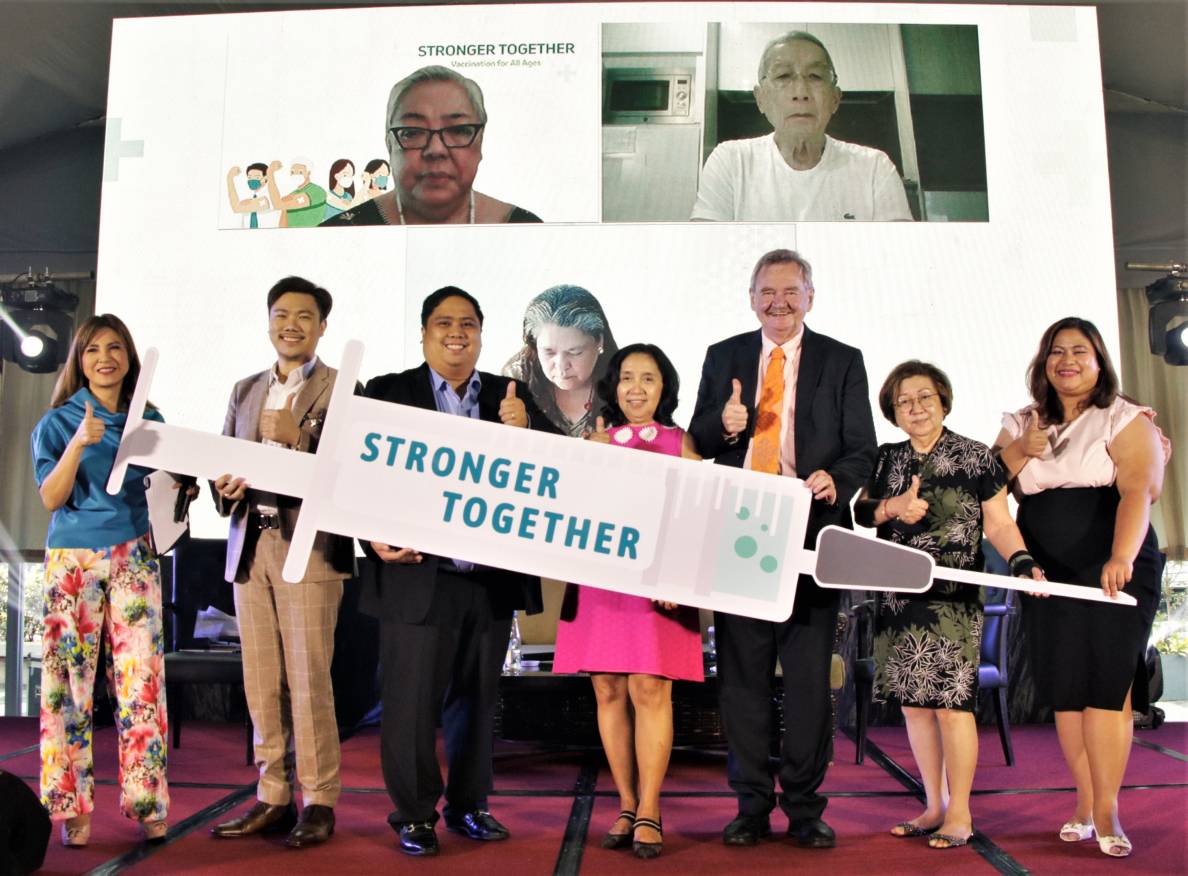
Stronger Together: Vaccination for all ages multi-stakeholder forum urges PH families to ‘Don’t Wait – Vaccinate’

June 29, 2023
Share this article

Facebook icon

.st0{fill:#00857C;} X icon

Linkedin icon

Email icon

Stronger together event

As the world witnessed during the COVID-19 pandemic, vaccination help saves lives. Over the course of the 20th century, improved health outcomes such as increased child survival, reduced deaths due to infectious diseases, and longer life expectancies may be attributed through immunization.

To bring to focus the importance of immunization in the lives of Filipino families and to raise awareness on the long-term benefits of immunization to society, the Pharmaceutical and Healthcare Association of the Philippines (PHAP), in partnership with MSD in the Philippines, held a media forum aptly titled “Stronger Together: Vaccination for All Ages” at the EDSA Shangri-La Manila on March 25, 2023.This media forum is part of the Department of Health’s pre-World Immunization Week activity.

The media forum, hosted by journalist and health advocate Jing Castañeda, kickstarted the countdown to World Immunization Week, a global observance celebrated every last week of April to promote the importance of vaccines for all ages. The theme for this year’s World Immunization Week is “The Big Catch Up,” which highlights the need to prioritize vaccinations that were halted due to the pandemic.

Indeed, people don’t need to wait for World Immunization Week to start raising awareness about the importance of vaccines in safeguarding the health of millions worldwide. As the world learned in recent years, health and safety are interconnected, and no one is truly immune or protected from a disease until everyone is protected from the said disease – so speak to your healthcare professional about vaccination now, especially if you are part of the at-risk population.

Empowering households with vaccine information
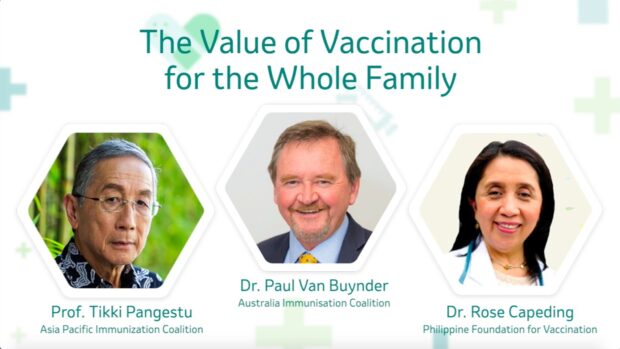
During the media forum, scientific leaders such as Dr. Paul Van Buynder from the Australia Immunisation Coalition (AIC), Prof. Tikki Pangestu from the Asia-Pacific Immunization Coalition (APIC), and Dr. Rose Capeding from the Philippine Foundation for Vaccination discussed the value of vaccination for the whole family.

Vaccines may help save lives by preventing certain diseases, reducing direct and indirect health costs on national health systems and households.Vaccines are cost-effective and are one of the core components of preventive health services packages.Thanks to vaccines, children are protected from diseases that were once top killers and disablers worldwide, such as diphtheria, whooping cough, tuberculosis, smallpox, polio, and measles.

More importantly, vaccines may help prevent the spread of disease among family members and neighbors, leading to healthier communities.Additionally, immunization may help prevent the transmission of certain diseases from one generation to another, freeing the next generations from the burden of certain diseases.

Families that get vaccinated together stay healthy together. If one person gets vaccinated, not only are they protecting themselves, but they are also helping protect their families, communities, and future generations. With the help of immunization, Filipino families may enjoy longer, healthier, and more fulfilling lives together.

Promoting a life-course approach to immunization
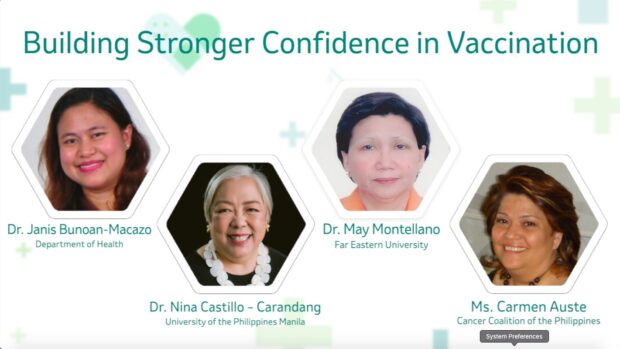
In this multi-stakeholder discussion, other health leaders and experts including Dr. Janis Bunoan – Macazo from the Department of Health (DOH), Prof. Nina Castillo-Carandang, Ph.D from the Department of Clinical Epidemiology, College of Medicine, University of the Philippines Manila, Dr. May Montellano from Far Eastern University – Dr. Nicanor Reyes Medical Foundation, and Ms. Carmen Auste from Cancer Coalition Philippines and Cancer Warrior Foundation tackled how to build stronger confidence in vaccination across different life stages.

As new vaccines are developed and tested, they will continue to be a vital tool in helping prevent certain diseases for various age groups. A life-course approach to immunization states that access to vaccines and vaccination schedules must align with an individual’s life stage, lifestyle, and the specific risks and vulnerabilities related to these factors.

As such, immunization is not limited to infants. At every life stage—from infancy to adolescence to adulthood—one must receive specific vaccines to protect them from certain life-threatening diseases.Specific vaccines are intended for each family member at every phase of their lives.

For example, it is recommended to secure infant immunization against measles, mumps, rubella (MMR), and diphtheria. Meanwhile, for adolescents, it is recommended that girls aged 9 to 13 receive immunization against the human papillomavirus (HPV), the leading cause of cervical cancer.

While immunization at an earlier age is preferred, adult males and females aged 18 years and up maystill get HPV vaccines to help build protection against HPV-related diseases and cancers.Additionally, pneumonia vaccination is recommended for the elderly and other at-risk groups living with diabetes, heart disease, and other chronic illnesses.

Building a stronger network for vaccination

The need to create a stronger national healthcare system through vaccination was the focus of the discussion participated by Dr. Arthur Dessi Roman from the Philippine Society for Microbiology and Infectious Diseases (PSMID) and Bryan Posadas from the PFV.

For developing countries like the Philippines, good population health is fundamental for social development and economic growth. Vaccination is a vital component of public health programs, and routine immunization forms the foundation of resilient health systems and universal health coverage. Immunization remains one of the most cost-effective methods to help prevent the spread of certain infectious diseases across populations, helping save millions of lives every year.

Aside from safeguarding the health and safety of the population, vaccination is also a source of high investment returns for the government. While the economic benefits of improved health outcomes remain largely underestimated, the yearly return on investment in vaccination alone is between 12% and 18%.

The good news is multiple channels available where patients can get their vaccines. Apart from hospitals and clinics, adults can also visit their local pharmacies to get vaccinated. At the same time, under the DOH’s National Immunization Program, there are free vaccination programs under the local government units (LGUs), especially free pneumonia vaccines for the indigent elderly. Meanwhile, through the School-Based Immunization Program (SBIP),female public school learners in grade 4 who are 9 to 13 years old may avail of the free HPV vaccines from their school or nearest health center.

So, what are you waiting for? Don’t wait—speak to your doctor about vaccination now!
Health Awareness

MSD joins the Philippine National Immunization Conference (PNIC)

June 29, 2023

Share this article

Facebook icon

.st0{fill:#00857C;} X icon

Linkedin icon

Email icon

MSD joins the Philippine National Immunization Conference (PNIC)

The Philippines remains at risk for vaccine-preventable diseases, underscoring the need to increase vaccination coverage in the new normal.

Based on joint monitoring by the World Health Organization (WHO) and the United Nations Children’s Fund (UNICEF), the Philippines follows the global trend of reporting lower immunization coverage throughout the pandemic.

Diminished coverage has resulted in measles outbreaks, with the Department of Health (DOH) currently ramping up vaccination efforts to forestall another potential outbreak.

Vaccine hesitancy, fueled by misinformation, remains a concern. Defined as a refusal to accept immunization services despite their availability, vaccine hesitancy was pinpointed by the DOH as a factor in the measles surge and the reemergence of polio in 2019, sparking an intensified immunization campaign to recover lost ground. Hence, healthcare personnel must continue to correct misconceptions about vaccines in general.

During the 23rd Philippine National Immunization Congress (PNIC), Dr. Anelyn Logrono-Reyes, who served as the conference’s overall chair, remarked on how vaccination could have prevented these outbreaks.

“The Philippines has a very low vaccination rate [so] sadly, we had a lot of outbreaks of vaccine-preventable diseases,” Dr. Reyes said, as she also confirmed that local studies have shown how vaccine hesitancy is partly caused by “the decrease in confidence in the vaccine itself.”

Mindful of these challenges, this year’s PNIC pushed for routine immunization to improve coverage. It also provided participants with learning opportunities through an updated vaccinology course.

With the theme, “Leaving the Pandemic: Accelerating the Vaccine initiative, Vaccination Practices in the New Normal,” the virtual conference was spearheaded by the Philippine Foundation for Vaccination, Inc. (PFV), together with the Philippine Pediatric Society – Southern Tagalog Chapter (PPS-STC), and their partners.

Healthcare professionals from both public and private sectors, patient groups, policymakers, corporate allies, and other vaccine advocates gathered to discuss the vaccination status of the country, disseminate best practices to increase immunization coverage, and explore strategies, and action plans to combat misinformation and strengthen confidence in vaccines, ultimately improving vaccine uptake.

“Normalizing” vaccination: a life-course approach

MSD in the Philippines, a staunch supporter of the annual PNIC, has long advocated for vaccines as a vital aspect of healthcare. 

MSD has continuously developed innovative vaccines for over a century to help save lives and build vaccine-resilient communities. To that end, the company has worked closely with partner organizations and government institutions to inform the public of immunization’s benefits.

As part of its advocacy, MSD shares in the conference’s goal to disseminate updated information on vaccines and vaccination best practices, thus enhancing the public’s awareness of the importance of a life-course approach to vaccination for Filipinos to be protected at all stages of life.

Taking a life-course approach means that immunization schedules and access to vaccination must be responsive to an individual’s age, lifestyle, and specific vulnerabilities or risks to infectious diseases.

Dr. Arthur Dessi E. Roman, Medical Specialist III at the DOH-Research Institute for Tropical Medicine (DOH-RITM) and Vice-Chair of the Infectious Diseases Section at the Manila Doctors Hospital advised that immunization encompass pregnant mothers, newborns, infants, older children, adolescents, adults, and elderly. “There should be a change in the mindset on vaccination…vaccines are not just for kids, they are for life,” Dr. Roman asserted during his talk, “Updates on Adult Vaccination and Catch-Up.”

Protecting adolescents vs. HPV

“Today, vaccines are available to help protect against at least 20 vaccine-preventable diseases. Together, these vaccines may help save the lives of up to 3 million people [globally] every year,” noted Dr. Ma. Emma Alesna-Llanto, a clinical associate professor at the University of the Philippines College of Medicine, in the symposium entitled “Teen Vaccines: Harnessing the Power to Protect.”

Human Papillomavirus (HPV)  is so common that nearly all women and men will get infected at some point in their lives, said Dr. Llanto. She explained that the HPV family of viruses numbers more than 100 types, with different levels of risk. Low-risk types of HPV cause genital warts, while high-risk types of HPV can cause cervical cancer, the second most common type among women in the Philippines. Other high-risk types of HPV may cause anal cancer, vaginal cancer, vulvar cancer, or oropharyngeal cancer (cancers of the mouth and throat).

However, Dr. Llanto said there is a tool for prevention in the HPV vaccine, which is used in over 100 countries and has been available in the Philippines since 2006. She emphasized that the HPV vaccine may help reduce cervical cancer to around 90%. She pointed out that this vaccine is recommended by the WHO and local medical societies like the Philippine Pediatric Society, the Pediatric Infectious Disease Society of the Philippines, and the Philippine Obstetrical and Gynecological Society. As for availability, she also noted that HPV is part of the DOH’s National Immunization Program, with the expanded Adolescent Immunization Program implemented in coordination with the Department of Education and the Department of the Interior and Local Government.

Dr. Llanto and Dr. Roman emphasized that adolescence is an ideal time to receive the HPV vaccine before the individual becomes sexually active. Dr. Llanto explained that HPV is spread through intimate skin-to-skin contact or by having vaginal, anal, or oral sex with someone infected with the virus. Two doses provided at age 9-14 years offer better immunogenicity (or a stronger response against HPV infections) than three doses given to young adults aged 15-26 years, said Dr. Llanto. “For HPV, giving [the vaccine] at an earlier age is the better option,” she added.

Unlocking herd immunity: we’re all in this together

Vaccines may help reduce the incidence of vaccine-preventable diseases in the community—even the immunocompromised, or those with an impaired or weakened immune system, said Dr. Elizabeth E. Gallardo, Chair of the Department of Pediatrics at Saint Louis University in Baguio City. “Immunocompromised persons are more susceptible to vaccine-preventable diseases and are at increased risk of severe illness. Therefore, vaccine providers should work together with specialists to improve vaccine coverage rates in this vulnerable population,” she urged.

Immunized individuals may help protect those who are vulnerable through population or herd immunity, said Dr. Llanto. “Herd immunity is especially important in highly contagious diseases such as measles, which requires 95% of a population to be immunized. When immunization rates drop, we can have outbreaks, which we experienced in 2019, with tragic results,” she said.

Health Awareness

Cervical cancer lecture spotlights on achievable WHO targets through multimodal treatment

June 29, 2023

Share this article

Facebook icon

.st0{fill:#00857C;} X icon

Linkedin icon

Email icon

Cervical cancer lecture

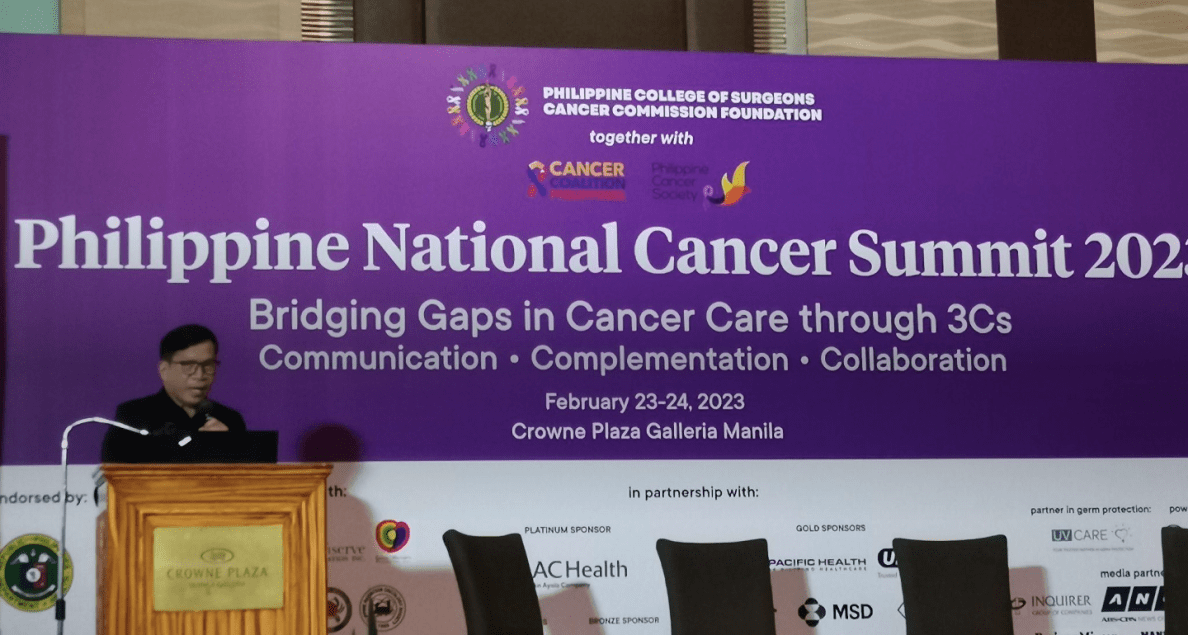
The Philippine College of Surgeons Cancer Commission Foundation, together with Cancer Coalition Philippines and Philippine Cancer Society, held a 2-day Philippine National Cancer Summit to discuss with healthcare providers and esteemed medical professionals the ways to bridge the gaps in cancer care in the Philippines. 

Dr. Efren Domingo, Gynecologist – Oncologist, discusses the state of cervical cancer detection, care, and treatment in the Philippines

According to the International Agency for Research on Cancer, breast, lung, colorectum, liver, and prostate cancers are the top cancer cases in the Philippines in 2020. These, and other types of cancers, result in over 92,00 deaths.  Apart from the top 5 cancer types, cervical cancer is another contributor to this number.

Cervical cancer ranks second among the most frequently diagnosed cancer in women. There is a risk of cervical cancer when a female is infected with HPV human papillomavirus (HPV). The immune system usually detects and controls this infection. However, when the body’s immune system is weakened, high-risk HPV infects cells and could turn into pre-cancerous cells. In a year, an estimated 7, 897 cases of cervical cancer among women of all ages, and 4,052 of those can result in death. 

To reduce these numbers, the World Health Organization (WHO) created the Cervical Cancer Elimination Initiative where 90% of girls must be fully vaccinated against HPV by 15 years old; 70% of women must be screened twice within 5 to 10 years, and 90% of women with pre-cancer are treated and 90% of women with invasive cancer are managed by 2030. 

In line with this, Dr. Efren J. Domingo, Gynecologist-oncologist, discussed in a lunch symposium sponsored by healthcare company MSD in the Philippines, the state of cervical cancer detection, care, and treatment here in the country in his lecture, “Pursuing the Goal of Cervical Cancer Elimination in the Philippines.” 

He shared about how the age of sexually active females became earlier over time. In his presentation, it was discussed that female adolescents ages 14 to 15 are already sexually active, therefore having a higher chance of encountering HPV. HPV 16 and 18 are two of the high-risk HPVs commonly responsible for cervical cancer.

Early protection and screening are essential to achieving a higher survival rate. A study has shown how the HPV vaccine has greatly reduced the incidence of cervical cancer by up to 90% in a sample size of 1.7 million women under age 17. Dr. Domingo also shared how early detection also allows oncologists to implement the best solution for early-stage cancer up to Stage IIA: surgery. This procedure greatly reduces the capacity of the cancer to spread to the lungs, liver, and brain. 

“In the Philippines, because of our national handicap, our coverage of vaccination is still far from ideal. We still have to reach out to the younger women to capture the best protection before they meet the culprit virus,” Dr. Domingo mentioned.

Furthermore, based on Dr. Domingo’s lecture, while the government started vaccinating women in 2006, the country’s archipelagic nature hinders organizations and medical professionals from reaching out to more women across the country. Expenses for the vaccine and testing also come from the patient, which influences them to no longer get the vaccine and test. 

As such, women frequently consult late and are later diagnosed when the cancer has become advanced.

Fortunately, there is hope for advanced, recurrent cancer. 

Chemoradiotherapy is the standard regimen in treating advanced cancer. It is a combination of chemotherapy where the oncologist administers cancer-destroying drugs, and radiotherapy, where radiation is used to destroy cancer cells. 

The GOG 240 trial has also shown significant results in the advanced cancer patient’s survival rate. In the GOG 240 trial, using various immunotherapy drugs together showed significant results in the patient’s survival rate. 

Since multi-modal treatment has a high efficacy rate, Dr. Domingo also shared how the implementation of immunotherapy, in addition to chemoradiotherapy, could bring hope to advanced cervical cancer patients. 

“First-line treatment should be the present treatment for those with the complicated disease profile,” Dr. Domingo stated. He added that immunotherapy, together with chemoradiotherapy, should be used as first-line treatment in cases of advanced recurring cancer. 

“From the 1999 clinical announcement of a chemotherapy drug as the most remarkable achievement against cervical cancer, the next event happens now in our time. We are lucky to witness it. Together with chemotherapy, the administration of immunotherapy will achieve probably the biggest hope of a cure for the patients of this otherwise hopeless disease.” 

Dr. Domingo believes that with this line of treatment, WHO’s 90-70-90 goal by 2030 is achievable through the support of the government and the private sector. This, along with the implementation of the Universal Healthcare Law and the National Integrated Cancer Control Act, cervical cancer vaccination, screening, and treatment for all Filipino women is a plausible future.

Health Awareness

‘Together for Health’ forum highlights multisectoral collaboration in advancing patient-centric healthcare

June 29, 2023

Share this article

Facebook icon

.st0{fill:#00857C;} X icon

Linkedin icon

Email icon

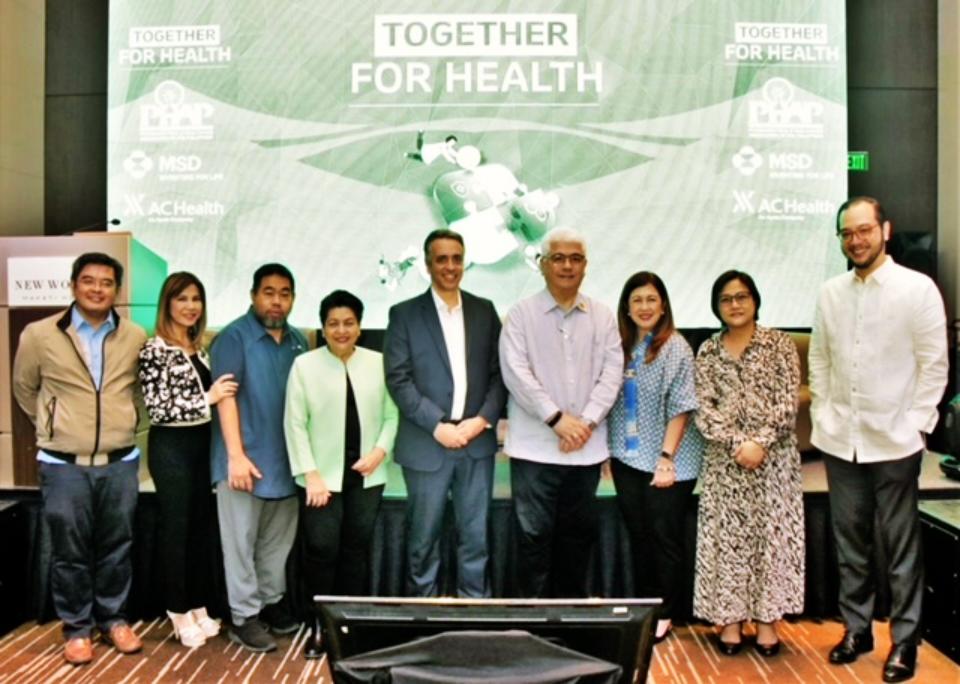
The Pharmaceutical and Healthcare Association of the Philippines (PHAP), in partnership with MSD in the Philippines and AC Health, hosted a media enablement session titled “Together for Health,” which seeks to help deepen journalists’ appreciation of relevant healthcare issues and the importance of making health topics more accessible to the broader public.

Partnerships for health continue to be essential in managing ongoing challenges, anticipating and addressing health-related issues, and providing new opportunities to encourage health-seeking behaviors and contribute to the population. ‘Together for Health’ underscores the importance of multisectoral collaboration in pushing for continuous progress in healthcare during and beyond the pandemic.

The event gathered renowned scientific experts, health leaders and decision-makers, and patient groups to provide insights and share their perspectives through an interactive panel discussion. Hosted by broadcast journalist and health and family advocate Jing Castaneda, the session will address current trends, the impact and lessons of the COVID-19 pandemic on healthcare, and insights on the way forward.

As the COVID-19 pandemic winds down and the world moves toward an endemic phase, the event aims to remind the public not to lose their newfound appreciation for their health.

“As we navigate the post-pandemic era, we encourage the media to be our allies in promoting health literacy. Together, we can complement the efforts of our partners at the Department of Health in advancing medically verified health information which can empower patients and create healthier communities. We believe that we can achieve this through collaborations and by making healthcare a national agenda,” added Teodoro Padilla, PHAP Executive Director.

The health forum also tackled the significance of health literacy, highlighting the need for patients to access, comprehend, and apply health information and services. It is essential to be mindful of one’s health as part of daily life, not solely when seeking medical attention. It is in this regard that health literacy can aid in preventing health issues, safeguarding one’s health, and managing health problems effectively. Encouraging multi-stakeholder collaboration is vital in promoting health literacy to empower patients and establish healthier communities.

“We recognize and support the role of media in informing, educating, and guiding Filipinos, especially in times of crises. By providing accurate and comprehensive health information, we can inspire people to take charge of their health and demand better healthcare policies,” said Andreas Riedel, President and Managing Director of MSD in the Philippines.

Experts suggest three major changes to learn from the pandemic and promote better public health: revisiting and strengthening public health systems, prioritizing universal health coverage, and implementing holistic policies that prioritize health as part of the national agenda.

“Collaboration across different sectors is key in ensuring that healthcare services are accessible and affordable for all Filipinos. Through partnerships, we can create innovative solutions and bring quality healthcare closer to communities in need. We look forward to working with our fellow healthcare advocates in achieving our shared goal of improving healthcare for all,” said Paolo Borromeo, AC Health CEO and President.

With the pandemic now three years in, it is an opportune time to evaluate successes and continue to improve healthcare delivery for Filipinos. Sharing lessons learned and engaging media practitioners will help combat misinformation and build resilience.

Every two minutes, a woman dies of cervical cancer worldwide. In the Philippines, nearly 11 Filipinas succumb to the disease every day. This means that every two hours, a family could lose a wife, mother, aunt, sister, and yes, even a daughter in her teen years.

“At the Philippine General Hospital (PGH) where I practice, we have the youngest case. She’s 13 years old with stage 3 cervical cancer,” shared Dr. Efren Domingo, president of the Philippine Obstetrical and Gynecological Society. “She became a commercial sex worker at the age of six.”

The saddest part? This could have been prevented.

“A woman’s death is both a personal tragedy and a sad, unnecessary loss to her family and community,” said Dr. Rui de Jesus, World Health Organization representative to the Philippines. “These deaths are unnecessary because there is compelling evidence that cervical cancer is one of the most preventable and treatable forms of cancer if it is detected early and managed effectively.”

Here are the three most important things you can do to save the women in your life from cervical cancer:

  • Encourage them to get vaccinated against HPV. Girls as young as nine years old can already get vaccinated.
  • Encourage them to have regular screening tests.
  • Bring them back to their OB-GYN if the screening test results aren’t normal.

A Nation free of cervical cancer

Cervical cancer remains a burden, especially in low-resource countries like the Philippines where facilities for prevention, screening, diagnosis, and treatment are lacking.

Records show that half a million cases are diagnosed every year and nearly 50% occur in Asia. More than half of those diagnosed every year will die in the same year because most of the time, they are diagnosed very late.

In observance of Cervical Cancer Month last May and to further create awareness about the dreaded disease, ADR Stratbase, in partnership with Jhpiego Philippines, Cancer Coalition Philippines, the POGS, and UHC Watch launched the “Philippine Cervical Cancer Elimination Movement (The Movement),” a forum that gathered stakeholders to discuss evidence-based and cost-effective interventions that will scale up the elimination of cervical cancer in the Philippines.

“The WHO, which envisions a world where cervical cancer is eliminated as a public health problem, initiated studies (in August 2020) that determined the incidences in 185 countries. And the target is to achieve an incidence rate of below four per 100,000 women in Asia and Latin America,” noted Dr. Domingo, one of the keynote speakers. “Achieving that goal rests on key pillars and their self-corresponding targets — the 90-70-90 — that hopefully will be met by the Philippines by the year 2030.”

To achieve that goal, “90-70-90” means that 90% of girls must be fully vaccinated with HPV vaccine by the age of 15; 70% of women must be screened with a high-performance test by 35 years of age and again at 45 years of age; and that 90% of women identified with cervical disease receive treatment, 90% of women with pre-cancer are treated, and 90% of women with invasive cancer are managed.

While there are laws in place, the question remains: How can the Philippines achieve this target?

The global strategy of the WHO emphasized the importance of partnership, advocacy, and communication. And that’s where The Movement comes in.

Committed to reversing the current cervical cancer statistics through collaborative and unified efforts, The Movement started Call for Solidarity, an online petition signed by key stakeholders and disseminated to the public. The petition targets at least 11,000 signatures — to give voice to 11 women who die of cervical cancer every day in the country.

In line with this strategy, The Movement calls for:

  • Support for women to get vaccinated, screened, and diagnosed
  • National and local government to institutionalize the National Integrated Cancer Control Act (NICCA) provisions on patient navigation, palliative care, and pain management
  • LGUs to include cervical cancer programs and services in their health and development
  • Investments in prevention and screening, alongside the provision of adequate funds for scaling up human papilloma virus (HPV) vaccination, HPV DNA screening, and treatment of pre-cancerous lesions and invasive cancer
  • Increased coverage and reach of the Philhealth Z-Benefits Package to include HPV DNA screening
  • Collaborative and innovative solutions in a whole-of-society approach to combat cervical cancer in the country.

“Continuous support and advocacy from different stakeholders are needed to sustain responsive health services in the Philippines,” said Stratbase ADR Institute president and CEO Prof. Victor Andres Manhit in his welcome address. “We must all work together to make universal healthcare a reality for everyone.”

“We cannot do it alone as oncologists; we have to collaborate with government, with the public health sector, with the community experts, as well as even the pain and rehabilitation specialists,” Dr. Domingo seconded.

Challenges to the cause

Based on the WHO baseline analysis on Global Cervical Cancer Elimination covering 185 countries, the incidence of cervical cancer peaked at age 35 and thereafter remained constant at low levels in higher-income countries with high screening coverage.

In contrast, in low- or middle-income countries (such as the Philippines), trends are likely to increase in the absence of scale-up preventive interventions such as screening and HPV vaccination.

“Utilization of cervical cancer screening is unfortunately still low in this country. There is a need to increase budget and to convince government to put in more personnel, as well as instrumentations necessary to achieve the goal,” said Dr. Domingo.

He cited the unavailability of facilities and expertise, and high out-of-pocket costs for the patient, among the factors of failed cervical cancer screening.

Although landmark Philippine legislation like the Universal Health Care Act and the NICCA Law allow for budget allocations from the General Appropriations Act, such budgets are largely focused on cancer treatment and management.

“Separate funding is needed for prevention and primary care, including HPV vaccination and cervical cancer screening,” said Dr. Jan Aura Laurelle V. Llevado, Cancer Control Division chief at the Disease Prevention and Control Bureau of the Department of Health (DOH).

“It is important to introduce vaccination early, and the target should really be to include it in the community and school venues,” advised Dr. Domingo.

New strategies to combat cervical cancer

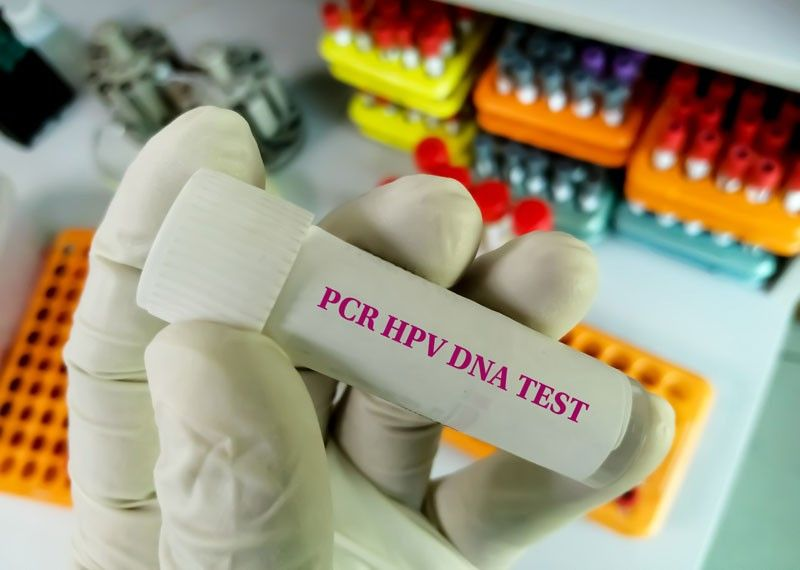
The consortium-led Scale Up Cervical Cancer Elimination with Secondary Prevention Strategy (SUCCESS) Project has been instrumental in introducing a simplified cervical cancer screening using HPV DNA testing with self-collection sampling, and treatment of precancerous lesions with thermal ablation.

Dr. De Jesus lauded SUCCESS for facilitating the introduction of accessible screening and early treatment for cervical cancer. WHO also endorses HPV DNA detection as the primary screening test in the general population of women and women living with HIV Dr. Ingrid Magnata, country program manager of Jhpiego Philippines, an affiliate of Johns Hopkins University, and Strategies Lead of the SUCCESS Project in the Philippines, regards self-collection to be a game-changer in cervical cancer elimination.

However, patient education is still critical for SUCCESS. She shared that for every 100 women who register for HPV DNA screening in a community in Tondo, only 50 will come during the actual day.

“Women fear a positive diagnosis — the message must be reinforced that cervical cancer is preventable, treatable, and can be eliminated,” Dr. Magnata added.

Cervical cancer survivors and supporters gathered during the “Women Bloom SolidariTeal” at Baluarte de San Diego Garden, Intramuros, Manila on Friday, June 9.

The “Women Bloom in SolidariTeal” is an event of health organizations Hope From Within and Guards Against HPV (human papillomavirus), hosted by healthcare company Merck Sharp and Dohme (MSD) Philippines.

Cancer survivors and their loved ones, medical experts, and health champions who are committed to creating a future free from cervical cancer gathered during the occasion.

During the event, health experts said cervical cancer is a preventable and highly treatable disease. It is the second most frequent form of cancer among women in the Philippines, with almost 8,000 Filipinas diagnosed with cervical cancer in 2020.

President of the Philippine Obstetrical and Gynecological Society (POGS) Dr. Efren Domingo graced the event to educate the people about cervical cancer.

“Ito ay tumor malignant na tumutubo sa cervix. Ito ang pinaka-leading and common cancer sa kababaihan (It is a malignant tumor that grows in the cervix. It is the most leading and common cancer in women),” Domingo said.

“Consult your gynecologist when they reach 20 years old when they feel they’re already an adult,” he advised.

Cervical cancer survivors Belay Fernando and Eden Lucero shared how the disease affected their lives.

The World Health Organization’s “90-70-90 target” campaign toward a cervical cancer-free future was discussed by the chair of Cervical Cancer Prevention Network (CECAP), Dr. Cecilia Llave.

According to Llave, the 90-70-90 campaign stands for 90 percent of children and adolescents ages 15 and above will be vaccinated with the HPV vaccine, while 70 percent of women between the age of 35 and 45 will be screened using a high-performance test, and the other 90 for women who were diagnosed with pre-malignant lesions or invasive that will be treated either by surgery, chemoradiation, or even palliation.

“It is very possible to eliminate cervical cancer,” Llave added.

The event sought to invite everyone to take part in promoting a safer and healthier future and in battling cervical cancer among Filipinas

Health Awareness

More than just another Jab: The role of vaccines in helping prevent certain diseases

November 7, 2022

Share this article

Facebook icon

.st0{fill:#00857C;} X icon

Linkedin icon

Email icon

Vaccines have had a significant positive impact on human health. Their administration has led to a drop in the incidence of vaccine-preventable diseases that were historically fatal to millions. During the COVID-19 outbreak, the world was reminded of the vital role that a single vaccine plays not just for one’s health but for the well-being of populations around the globe.

“COVID-19 vaccines are one of the most incredible medical advances in history. Unfortunately, many people do not appreciate the level of importance of vaccines. These vaccines will be the solution, the way for us to end this current pandemic,” said Dr. Melvin Sanicas, Infectious Diseases Global Health Specialist and Ten Outstanding Young Men 2021 Awardee.

This year’s World Immunization Week theme, “Long Life for All,” highlights that we have a part in promoting the use of all available vaccines to help protect people of all ages against disease.

In line with this year’s theme of ‘Long Life for All,’ the ImMUnity Team of the Mu Sigma Phi Medical Sorority, University of the Philippines-Manila College of Medicine (UPCM), held a webinar entitled ImMUnization: A Passport to Longevity. This brought focus on the relevance of immunization through the ages and for all ages. The event was organized by the UP Philippine General Hospital (PGH), the Philippine Foundation for Vaccination, the Mu Sigma Phi Foundation, and healthcare company MSD in the Philippines.

Keeping its commitment to promoting vaccine confidence alongside the health community, MSD actively engages in multi-stakeholder collaborations, such as the advocacy partnership with UPCM – Mu Sigma Phi Medical Sorority, Inc., to address the challenges of vaccine hesitancy and emphasize the importance of a life-course vaccination. MSD also supports campaigns that aim to enhance vaccine confidence by communicating the value of immunization in helping save lives and preventing vaccine-preventable diseases and outbreaks.

A life-course approach to immunization

Vaccination programs often focus on distinct life stages, such as childhood immunization, but evidence supports a life-course approach where vaccination is given throughout an individual’s life. The life-course approach to vaccination stems from the simple fact that the risk of infectious diseases extends far beyond childhood and into old age. With this life-course vaccine approach, not only will individuals reap the benefits, but it will also have a favorable impact on public health and socioeconomics.

The National Immunization Program (NIP) of the Department of Health aims to provide Filipinos access to routinely recommended vaccines. It also aims to help reduce morbidity and mortality among children against the most common vaccine-preventable diseases (VPDs) like tuberculosis, poliomyelitis, diphtheria, tetanus, pertussis, and measles. The program currently provides vaccines against VPDs for newborns, infants, older children, pregnant women, and senior citizens.

The government’s vaccination services are set to continue with adaptive guidelines to help protect vulnerable age groups like senior citizens, who are more prone to acquiring pneumococcal diseases. It is also stipulated under RA 9994 or the “Expanded Senior Citizens Act of 2010” that indigent senior citizens are entitled to free vaccinations for pneumonia and influenza.

“Please ensure children have the right vaccination because they are our future. Let’s give them a long and fruitful life in a country where vaccination is at the forefront of our health delivery system in previous years,” Philippine Foundation for Vaccination Executive Director Dr. Lulu Bravo emphasized.

Vaccine matters

Despite the evidence of health gains from immunization programs, some groups have always resisted vaccines. Dr. Bravohoped addresses this by highlighting the importance of vaccines and sharing practical tips on how to deal with vaccine hesitancy.

“Vaccines do not kill. Misinformation and disinformation kill,” Dr. Bravo emphasized. She stressed that communication plays an essential role in fighting vaccine hesitancy and relaying the message about how vaccines work for our health and the community.

Building vaccine confidence and a more resilient health system require addressing the stigma surrounding vaccination, which prohibits many people from getting the vaccinations that will help protect them against vaccine-preventable diseases.

“Engage with the hesitant people. There is no single solution. We must understand their motivation. People need to be listened to, and vaccination framed in a way that it matters to them,” she encouraged. “You can help by positively shaping public perception of the benefits of immunization. Increase awareness of the burden of diseases in life and the economy. Dispel myths and rumors on immunization.”

The Mu Sigma Phi Medical Sorority (MSPS) also helped spur awareness about the benefits of vaccines through a social media campaign on TikTok. “Social media is an important tool in our arsenal to educate and urge Filipinos, especially the youth, about vaccination. Through this campaign, we hoped to engage them in this popular platform and emphasize how vaccines help save lives,” shared Ron Villas, MSPS Service Committee Chairperson.

Meanwhile, Dr. Beverly Ho, Director IV of the Department of Health, Health Promotion Bureau, enumerated the government’s programs and campaigns to promote the acceptance and usage of vaccines. “Vaccines may offer protection from vaccine-preventable diseases across life stages. Among the vaccines provided for free under the National Immunization program include vaccines against tuberculosis, Hepatitis B, polio, pneumonia, measles, mumps, and rubella.

Dr. Ho underscored that routine immunization is the foundation for strong, resilient health systems and universal health coverage. “However, we also want to inform the public that routine immunization is only a part of the overall health program of the government, and there is still a need for regular consultations at your local health centers.”

Dr. Ho further emphasized that “immunization is just one of the basic health services that infants, children, teenagers, women, and senior citizens need, and part of the department’s catch-up immunization program is to vaccinate at least 80% of the remaining 1,100,000 infants who missed their routine immunization in 2021 due the pandemic.”

Having a resilient and sustainable immunization system depends on building vaccine confidence. Hence, stronger collaboration among stakeholders plays a crucial role in raising awareness about how vaccines may help protect oneself, one’s family, and the community from vaccine-preventable diseases, as well as emphasizing vaccines’ importance at all stages in the pursuit of building a healthy citizenry.

This article was originally published in Inquirer.net.

Health Awareness

It’s #TimeToTalkAboutHPV and chart the path towards a cervical cancer-free Philippines

November 4, 2022

Share this article

Facebook icon

.st0{fill:#00857C;} X icon

Linkedin icon

Email icon

Let’s stop spreading fake news. We should stop spreading wrong information that cervical cancer immediately means a death sentence – it is not!” 

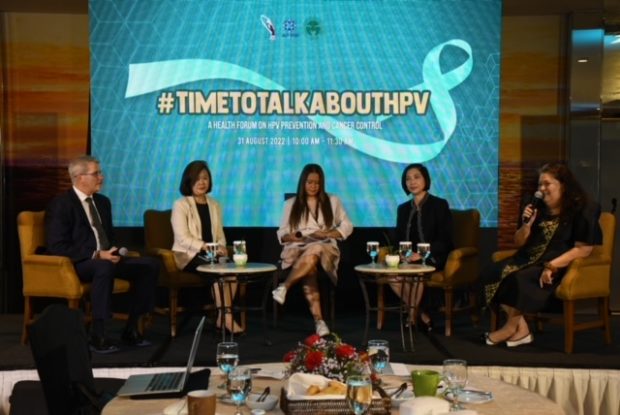
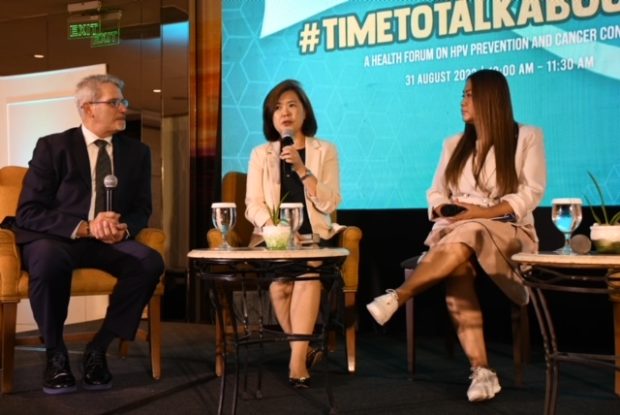
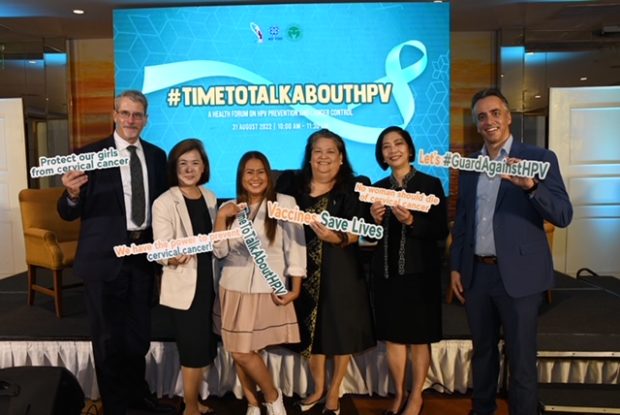
This is the appeal of the panel of doctors and patient advocates who spearheaded the freshly held health talk on cervical cancer titled #TimeToTalkAboutHPV: A health forum on HPV prevention and cancer control. Organized by the Cervical Cancer Prevention Network of the Philippines (CECAP), together with the Asia & Oceania Federation of Obstetrics & Gynecology (AOFOG), the Philippine Obstetrical and Gynecological Society (POGS), and MSD in the Philippines, the media forum aims to serve as a reminder that cervical cancer is preventable with regular screening tests and the HPV vaccination.

Cervical cancer is largely preventable through both vaccination and screening for precursor lesions (pap smear at least every three years and HPV DNA testing for women starting age 30), with appropriate follow-up and treatment. With access to accurate information, preventive services, and routine gynecological care, most cases of the disease can be prevented and successfully treated at an early stage.

In spite of this, cervical cancer ranks as the 2nd most frequent cancer among women in the Philippines and the 2nd most frequent cancer among women between 15 and 44 years of age. Current estimates indicate that every year 7,897 women are diagnosed with cervical cancer, and 4,052 die from the disease.

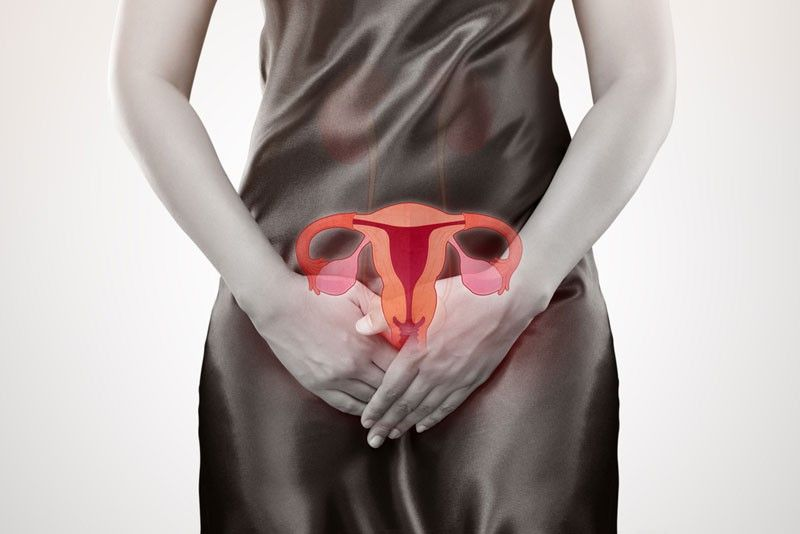
Cervical cancer develops at the entrance to the uterus from the vagina, and around 99 percent of the cases are linked to HPV or human papillomaviruses. Modes of transmission include sexual contact, skin-to-skin contact, and rarely, through objects exposed to the virus.  

It’s a highly-treatable disease if detected at its early stages. The precancerous stage provides ample window for detection and treatment, and it could take as long as 30 years before it reaches malignancy.  However, it is one of the most common types of cancer and a common cause of cancer-related deaths worldwide, affecting mostly young, uneducated women from poor countries.  

But more recently, COVID-19 has taken a toll on women’s health as studies have shown a gap in missed routine preventative exams and screening visits. “I think the world has been focused on Covid for the past 2 ½ years, and we have overlooked other health concerns,” said Dr. Anna Lisa Ong-Lim, professor and chief of the division of infectious and tropical diseases in pediatrics at the University of the Philippines-Manila College of Medicine. “It is only recently when vulnerabilities to vaccine-preventable diseases are being noticed once again.”     

Things you need to know about HPV 

One life-altering issue that deserves focus is the huge burden that continues to threaten women and men, including teenagers worldwide, caused by the human papillomavirus (HPV). “HPV is a virus that causes a wide range of diseases,” said MSD executive director of medical affairs for vaccines and infectious disease Dr. Mel Kohn. 

“Apart from cervical cancer, the 2nd leading cancer for Filipinas, HPV can give men head and neck cancer, anal cancer for both sexes, and a variety of less common but also devastating kinds of cancers,” he enumerated. Examples are vaginal and vulvar cancers and penile cancer.

“Genital warts, while it doesn’t kill you, can be quite devastating,” said Dr. Kohn. “It is quite common and very difficult to eradicate. Imagine the psychological toll on the patient. Again, prevention is the best approach here.” 

HPV is common. It is passed from one person to another during sexual contact. “It’s a quiet epidemic, unlike COVID,” he warned. Unlike the measles that have an obvious expression, “you don’t immediately see it when you meet somebody, but it’s there and has been growing rather insidiously.”

The Philippines has a population of 37.8 million women ages 15 years and older who are at risk of developing cervical cancer. About 2.9% of women in the general population are estimated to harbor cervical HPV-16/18 infection at a given time, and 58.6% of invasive cervical cancers are attributed to HPVs 16 or 18.

Although some of the infections from this commonly occurring virus with more than 100 types usually go away on their own, at least 14 types of HPV have been found to be cancer-causing.

The age indication for HPV vaccines is as young as nine years old for both girls and boys. Teens and young adults through age 26 years who didn’t start or finish the HPV vaccine series also should have HPV vaccination. Women up to age 45 may be eligible for vaccination after discussing it with their provider.

According to Dr. Ong-Lim, they are targeting the young ones because of their increased susceptibility to infections. 

“That particular age group demonstrates optimal immune response. Also, only two doses are needed to achieve protection,” she shared.

But more importantly, giving the vaccine at a younger age ensures that they are already protected before they become sexually active. “HPV vaccines work best when given before exposure to the virus. We must try to catch that window when the immune system really responds very well to it,”  Dr. Ong-Lim explained. 

Manila Declaration: Call to Action Against Cervical Cancer chair and practicing OB-Gynecologist Dr. Jean Anne Toral mentioned that the young and adult fertility study done recently indicates that the average age Filipina women become sexually active is 18.2 years old. “Giving the vaccine at age 9-15 would be beneficial as there is no life event that exactly pinpoints exposure to HPV apart from age of sexual debut,” she said.

There will be seven to eight out of 10 women who will be exposed to HPV at one point in their life, “But not all women will develop cervical cancer,” Dr. Toral assured. The probability of HPV exposure developing into cancer increases if a patient smokes, is exposed to other sexually-transmitted diseases, and has HIV.

School-based HPV vaccination

As part of the government’s effort to protect children and adolescents from vaccine-preventable diseases, the Department of Health, together with partner agencies, has rolled out the School-Based Immunization (SBI) Program. 

The SBI Program includes measles, rubella, tetanus, diphtheria (MR-TD), and human papillomavirus (HPV) vaccines that are administered to eligible students in public elementary schools. The inclusion of HPV vaccination in the SBI Program aims to protect young women from cervical cancer later in life, among other diseases associated with HPV. 

Under the DOH’s SBI Program, HPV vaccination is given to grade 4 based on DOH’s recommended age group to receive the two doses of the HPV vaccine, six months apart, for protection against cervical cancer. 

Prior to administering the vaccine, parents’ consent must first be obtained by school officials. That is why vaccination education campaigns usually highlight the role of parents in fortifying the health shield of their children through timely vaccination against diseases.

Due to the COVID-19 pandemic, the HPV vaccination, which was formerly delivered through the SBI Program, is now being shifted as part of the Community-based Immunization to be able to still deliver HPV vaccination to young girls amidst the pandemic to protect them against cervical cancer and other HPV-related diseases and cancers.

Towards a cervical cancer-free future 

The elimination of cervical cancer has been defined as achieving an incidence rate low enough for the disease to be considered controlled as a public-health problem; this threshold has been defined by the WHO as fewer than 4 cases per 100,000 women per year.

To accomplish this, every country must reach and maintain three key targets within the lifetime of today’s young generation. The first is for 90 percent of girls to be fully vaccinated against the human papillomavirus (HPV) by the age of 15. The second is to ensure that 70 percent of women are screened using a high-performance test by the age of 35 and again by age 45. The final target is for 90 percent of women with pre-cancer to receive treatment and for 90 percent of women with invasive cancer to have their condition properly managed.

Achieving this vision and each of the elimination targets will require a whole-of-society and multisectoral approach to ensure health systems prioritize women and girls. Individuals, families, communities, civil society, and government agencies at all levels have a role to play in championing greater awareness, education, and social support.

Cervical Cancer HPV

Carmen Auste, Chief Executive Officer of Cancer Warriors Foundation Inc. said that the Philippines is among the countries that declared commitment together with WHO to finally eradicate cervical cancer in the country by 2040 and by 2030 worldwide. “There is already one type of cancer that we can delete or ‘block’ like social media,” she humored. “To attain that goal, we must augment HPV vaccine uptake and educate the Filipinos on HPV, vaccines, and cancers caused by HPV,” she said.

Auste mentioned the SUCCESS (‘Scale-up Cervical Cancer Elimination with Secondary prevention Strategy’) project as one of the advocacies recently launched in selected barangays. Led by Expertise France and delivered in collaboration with Jhpiego and the Union for International Cancer Control (UICC) in support of WHO, the project aims to deploy innovative solutions to fight cervical cancer in four countries, including the Philippines. 

At this critical juncture, we must empower women and rally our neighbors, community leaders, and governments to take action and save thousands of lives. If widespread, high coverage of these interventions can be achieved by 2030 and maintained, research predicts cervical cancer can be eliminated in most countries globally by 2120—avoiding over 63 million deaths of women globally.

Together, let’s commit to women everywhere to end cervical cancer.

This article was originally published on Inquirer.net.

Health Awareness

Mommy Nins Po shares tips to help ensure vaccine safety for your child

August 22, 2022

Share this article

Facebook icon

.st0{fill:#00857C;} X icon

Linkedin icon

Email icon

Everyone needs a little help sometimes, especially mothers. Whether you’re a first-time mom or a mother of six, no one can deny that getting help, tips, and advice about your children’s health, safety, and well-being from your friends and families goes a long way. After all, moms always want the best for their children. Mothers know the importance of car seats, baby gates, and other ways to keep them safe. But did you know that one of the best ways to protect your children is to make sure they have all of their vaccinations?

Mommy Nins Po, a make-up artist turned mom influencer, is an active voice on various social media platforms empowering mothers to make informed choices for their children’s health.

“Aside from posting real motherhood stories and behind the scene moments of being a mom, I also like to share the things I advocate for and feel passionate about,” said Mommy Nins Po, a -pro-vaccination advocate.

“I make it a point only to share information I strongly believe in, and I believe that vaccination saves lives,” she added. Mommy Nins also shared that she makes an effort to be responsible with what she shares on social media because she strongly values its importance in positively influencing others.

“Whenever I have my kids vaccinated, my top priority is always their safety. So I try to research from reliable sources, communicate clearly with our pediatrician, and prepare my kids for the vaccination day,” Mommy Nins enumerated.

Reliable vaccine information

Vaccine information is just a click away from many sources. But, as a mom influencer, Mommy Nins shared that she is mindful of only sharing accurate and reliable information.

“I am not a medical expert, so I go to reliable sources of health information,” Mommy Nins explained. “For example, I go to Call the Shots PH on Facebook. They share reliable and easy-to-digest content about child vaccination. I find it very helpful for busy parents like me.”

Vaccinations help protect children from deadly diseases like polio, tetanus, and diphtheria. They also help keep other children safe by eliminating or significantly decreasing dangerous illnesses that may spread from child to child.

Some of the worst diseases affecting children have been significantly reduced or eliminated, thanks to vaccines. Vaccines help protect children and teens from sixteen diseases like polio, measles, rubella, mumps, chickenpox, meningitis, pneumonia, tetanus, hepatitis A and B, influenza, diarrheal infections, reproductive cancers, and more.

As misinformation proliferates online, Mommy Nins safeguards her social media platforms through fact-checking and research.

“What’s worse than reading false information is sharing it. So my tip to all moms out there is to be very vigilant about what you are reading and check the sources before you share it. Always credit your source,” she warned.

Pediatrician-parent communication

Mommy Nins also emphasized that communication is essential, whether talking to your  local community health worker or your child’s pediatrician.

“The parent-pediatrician relationship is not a one-way street. We need to give and take. You need to share your child’s information and medical history with your doctor. As a parent, it is our responsibility to know our child’s overall health, and we need to communicate this clearly to our doctor. In return, our pediatrician can provide the proper care to our children to keep them healthy,” she added.

Mommy Nins Po also highlighted the importance of documenting this communication through the child’s vaccination record book.

“It’s important to have your child’s vaccination record with you. It’s free, and you don’t have to buy it. You get it after you give birth. Aside from keeping a record of your baby’s immunization, there is useful information about your next vaccine schedule,” explained Mommy Nins. “For moms like me who don’t know the schedule, this is a great guide for me to know when the next vaccine schedule is.”

For routine vaccines to be effective, children must complete the required doses according to schedule from the time they are born until they are one year old. They must also meet additional doses during supplementary or catch-up vaccination campaigns announced by the Department of Health.

“I learned about catch-up vaccinations from our pediatrician. What’s good with this is you don’t have to start all over again. For example, if your child has received the first dose and you miss the booster schedule, you just need to catch up. That’s why the vaccination record book is very important because it will help you and your doctor plot the succeeding catch-up vaccines,” she shared.

Preparation is key

Vaccine schedules for young children and adolescents are designed with kids’ young immune systems in mind, helping to protect them from preventable diseases as early and safely as possible. The timing and spacing of immunizations are set to work with a child’s immune system at specific ages and times.

Mommy Nins shared these simple and practical tips whenever her son gets a vaccine.

  1. Bring a bag with your kid’s personal belongings like a change of clothes, face masks, or perhaps their favorite toy.
  2. Don’t forget your vaccination card or child’s record book.
  3. Keep your child calm while en route to the doctor and waiting for the shot.
  4. Bring some small treats or rewards.
  5. Prepare first aid medicines like paracetamol, gel patches, and hot-cold compress.

“At this point, my child already knows that if he gets vaccinated, he did something good and is rewarded for it. So I want to instill in him that although vaccination may hurt a little, it’s good for his health,” said Mommy Nins.

Your child is far more likely to be hurt by a vaccine-preventable disease than by a vaccine. All vaccines undergo rigorous safety testing, including clinical trials, before they are approved for public use. Countries will only register and distribute vaccines that meet rigorous quality and safety standards.

“To all moms out there, don’t be afraid because the benefits of immunization far outweigh its minimal side effects. Let’s trust the medical experts. The vaccines given to our kids underwent years of research. Doctors will not give something harmful to our kids,” she said.

As we continue vaccinating now and vaccinating completely, parents in the future may be able to realize a day wherein vaccine-preventable diseases will no longer be around to harm their children.

Call your pediatrician today and ask about the 2022 Childhood Immunization Schedule to protect your kids from vaccine-preventable diseases! For more information, you may visit https://www.facebook.com/CallTheShotsPH/.

This article was originally published in BusinessMirror.

Health Awareness

Advocates call for ‘Kalayaan ng Kababaihan mula sa Kanser’

August 9, 2022

Share this article

Facebook icon

.st0{fill:#00857C;} X icon

Linkedin icon

Email icon

Filipino women have a long history of fighting for freedom. From the colonial era to contemporary times, they have demonstrated the strength associated with this pursuit. They strive for freedom of speech, freedom of suffrage, and equal rights.

However, as long as diseases like cancer can take hold of their lives, hostage, they are at its mercy, and therefore not completely free. In fact, breast and cervical cancers are among the most common and fatal cancers in women. In 2020 alone, more than 10,000 Filipinas died of breast cancer and more than 4,000 lost their battle with cervical cancer.

That is why, in line with the Independence Day celebration last June, Hope from Within (HFW), a multi-stakeholder cancer advocacy spearheaded by MSD in the Philippines, organized the “Kalayaan ng Kababaihan mula sa Kanser” Women’s Cancers Summit.
The event brought attention to the plight of women afflicted with cancer, empower them, and amplify their voices as they battle the disease head-on.
Hosting the event is Ayn Bernos, a Tiktok content creator and one of the influential voices in women empowerment on social media. Following a breast cancer scare last year, Ayn underwent surgery to remove a lump on her breast. She gave a voice to the concerns, fears, and hopes of Filipina women who sought liberation from these illnesses.

Understanding triple-negative breast cancer
There are many types of breast cancer, one of which is triple-negative breast cancer (TNBC). It is considered aggressive cancer because it grows quickly, is more likely to have spread at the time it’s found, and is more likely to come back after treatment than other types of breast cancer. This cancer tends to be more common in women younger than age 40.
Medical oncologist Dr. Josephine Tolentino discussed the signs and symptoms of TNBC, preventive tips as well as diagnostics tests that will help patients identify TNBC. Dr. Tolentino will also highlight the role of a multidisciplinary team (MDT) in providing holistic treatment and care for patients.
The MDT can include a medical, surgical, and radiation oncologist, a pathologist, a radiologist, a breast surgeon, a psychiatrist, and more depending on the cancer condition.
In multidisciplinary care, instead of benefitting from only one expert’s medical judgment, a team of specialists will convene to discuss the most optimal treatment approach for the patient depending on their prognosis. Based on a study, patients with an organized MDT even saw increased 5-year survival rates.
Patients will also learn about several treatment options available for breast cancer which may include surgery, chemotherapy, radiotherapy, targeted therapy, or a combination of these treatments.
In addition to the medical expert, breast cancer survivors Dr. Gia Sison and Jaymee Joaquin shared their personal stories and give hope to cancer patients, while cancer advocate and celebrity Dianne Medina narrated the journey of her mom who succumbed to breast cancer.
Guest artists including R&B singer/composer Quest, and indie-pop duo Leanne and Naara, provided inspiration through their music.

Committed to eliminating cervical cancer
Cervical cancer is one of the most successfully treatable forms of cancer, as long as it is detected early and managed effectively. Almost all cervical cancer cases (99%) are linked to infection with high-risk human papillomaviruses (HPV), an extremely common virus transmitted through sexual contact.
Although most infections with HPV resolve spontaneously and cause no symptoms, persistent infection can cause cervical cancer in women.
In 2018, the World Health Organization (WHO) developed its global strategy to accelerate the elimination of cervical cancer as a public health problem.
WHO targets: 90% of girls fully vaccinated with the HPV vaccine by the age of 15, 70% of women screened using a high-performance test by the age of 35, and again by the age of 45, and 90% of women with pre-cancer treated and with invasive cancer managed.
Dr. Efren Domingo, Vice President of the Philippine Obstetrical and Gynecological Society, informed attendees of the importance of screening, vaccination, and available treatment options for cervical cancer patients.

Providing healthcare access to Filipinas
Equitable access to quality cancer care has been the dream of cancer patients, survivors, and their families. With the passage of the National Integrated Cancer Control Act (NICCA) in 2019, the government can strengthen cancer control in the country, increase cancer survivorship and reduce the burden on families and cancer patients.
This landmark health legislation was designed to provide cancer patients with quality health care services, increase access to innovative treatment options, and provide their families with financial risk protection, among other cancer-relevant items.
Dr. Clarito Cairo, Program Manager for Cancer of the Department of Health (DOH) will share updates on the current and upcoming programs of the DOH that provide cancer care assistance and support to patients. Joining Cairo in this segment is Dr. Cecilia Llave, technical adviser of SUCCESS Jhpiego who will provide insights from the ground regarding cancer care at the community level.
Cancer patients and care groups continue to advocate for the swift and complete implementation of healthcare laws in the Philippines. HFW is committed to renewing hope and reinforcing the fight for Filipino cancer patients through timely and medical-professional-backed information on navigating the cancer patient journey. Resources can be accessed through the Hope From Within website and Facebook page.

Cancer can affect anyone. Each one has a role to support cancer patients and survivors by signing the petition on the urgent implementation of the NICCA, which provides benefits that are needed for their treatment and recovery while allowing them a better quality of life. Make your signature matter. Sign the petition by visiting https://www.change.org/p/department-of-health-sign-the-petition-to-fully-implement-the-national-integrated-cancer-control-act-nicca-now.

This article was originally published in MANILASTANDARD.NET.